Curator's Note
There is a moment in The Museum when the familiar comfort of a quiet gallery begins to feel wrong.
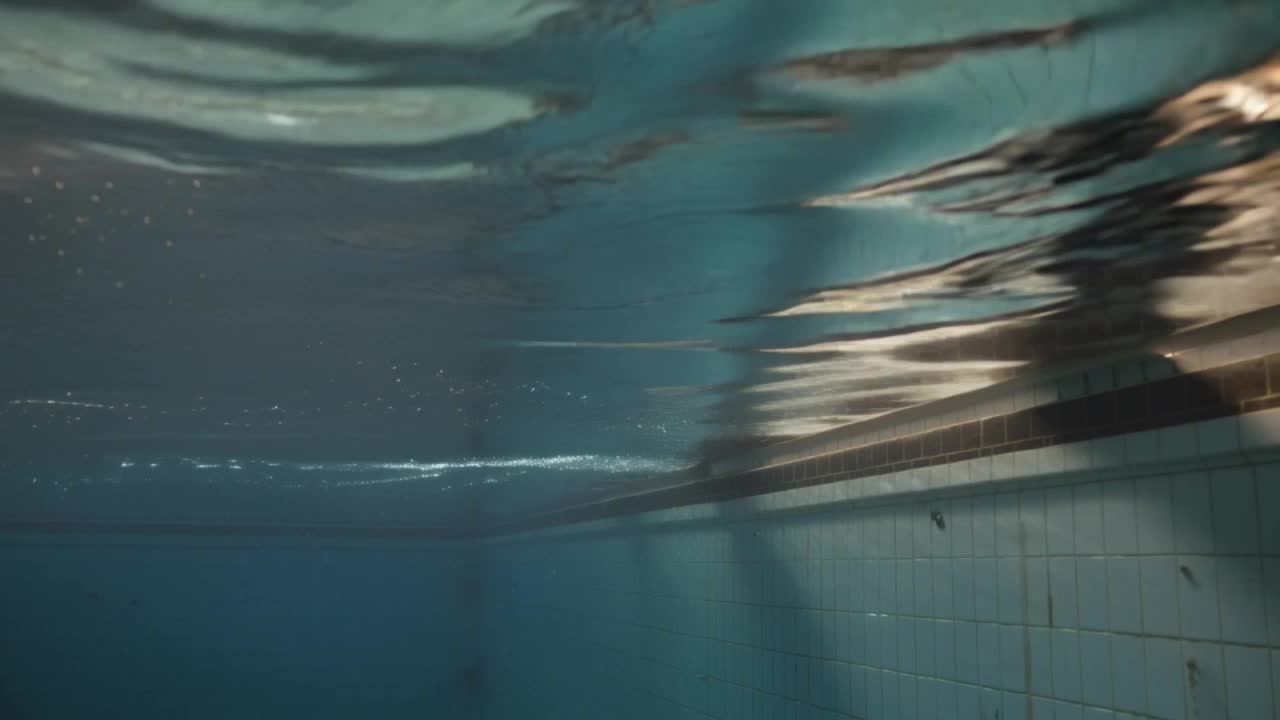
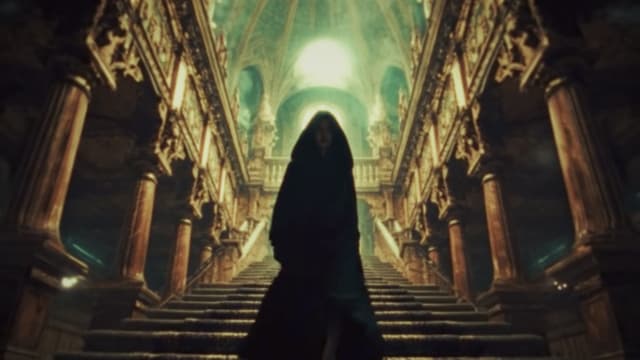
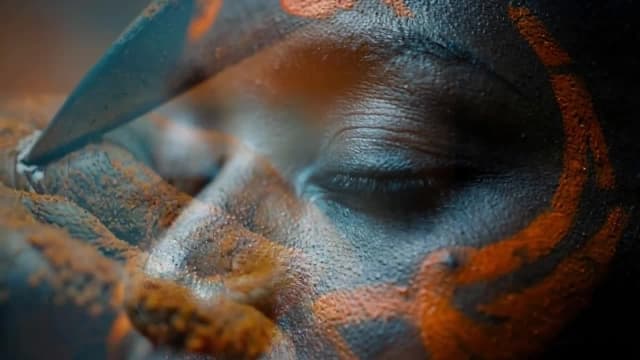
It opens like any ordinary visit to an art museum. Clean white walls, soft lighting, visitors moving slowly past paintings. Everything feels calm and familiar. Then the film starts to shift. Details that should be normal become slightly off. A painting seems to watch you back. A figure in the corner stands too still. The repetition of footsteps and the controlled rhythm pull you deeper until the space gently unravels into something unsettling, with quiet touches of body horror that linger under the surface.
What makes The Museum stand out is its confidence in atmosphere over explanation. The creator builds tension through visual consistency and subtle repetition rather than big shocks or heavy dialogue. The museum itself becomes the main character, a place that slowly reveals it is not what it seems. Every frame feels carefully considered, with strong control over lighting, composition, and the slow drift from peaceful to disturbing.
In a short runtime, it creates a complete art-house experience that feels intentional and cinematic. It trusts the audience to notice the wrongness without spelling it out. The hybrid workflow shines through in how consistent the characters and environment remain while the tone changes.
Most AI films chase spectacle or quick surprises. The Museum chases something harder. It wants you to feel unease in a place that should feel safe, and it achieves that with restraint and precision.
That kind of atmospheric control and artistic focus is rare.
That is what Wondra looks for.
Film Details
Runtime2:48
Source
Hosted on Wondra
ModelPrimary platform: Higgsfield AI (~80%) Images: NanoBanana Pro, NanoBanana 2, Topaz, GPT Image 1.5 Video: Seedance 2.0, Kling 3.0, Sora 2 Sound: Suno Editing & color: Adobe Premiere Pro Image processing: Adobe Photoshop Prompt assistance: ChatGPT
About the Director